
Safely kill dangerous fleas & ticks
shop now
It's probably the Best Investment you can make for your furry babie's longterm health.
Made from blend of natural oil ingredients that are non-toxic to your pets.
It is not only the most effective but also the most economical way to save your furry baby!
Unlike other brands of Flea/Tick Collars, we have used organic ingredients and tested it on many dogs/cats to ensure safety for your loving pets!


How do you know if fleas are causing all that itching (pruritus in veterinary terms)? Generally, unlike the burrowing, microscopic Demodex or Scabies mites, fleas can be seen scurrying along the surface of the skin.
Fleas are a dark copper color and about the size of the head of a pin. They dislike light, so your best chance of spotting fleas on a dog is to look within furry areas and on the belly and inner thighs.
"Flea dirt" can also signal that there are fleas on a dog. Flea dirt looks like dark specks of pepper scattered on the skin’s surface. If you see flea dirt—which is actually flea feces that is composed of digested blood—pick some off the pet and place on a wet paper towel. If the tiny specks spread out like a small bloodstain after a few minutes, it's definitely flea dirt, and your pet has fleas.
-PetMD
When pet owners are asked what they dread most about the summer months, the topic that invariably comes up most is fleas!
These small, dark brown insects prefer temperatures of 60-80 degrees and humidity levels of 75-85 percent—so for most areas of the country, fleas on dogs are more than just a summer problem. In many areas of the southern United States, fleas can survive and bother your pet year-round.
Dogs often get infested with fleas through contact with other animals or contact with fleas in the environment. The strong back legs of this insect enable it to jump from host to host or from the surrounding environment onto the host. (Fleas do not have wings, so they cannot fly.)
The flea’s bite can cause itching for the host, but for a sensitive or flea-allergic animal, this itching can be quite severe. It can lead to severe scratching and chewing that causes hair loss, inflammation and secondary skin infections. Some pets can be hypersensitive to the flea's saliva and will itch all over from the bite of even a single flea.
-PetMD


Regular price
$54.99
$29.99 USD
45% OFF
💡 This is the right time for a safe small investment to protect your pets before they get infested and save a lot of money on treatments! 💡
BENEFITS: FurBaby Keep Flea Away Pet Collar!

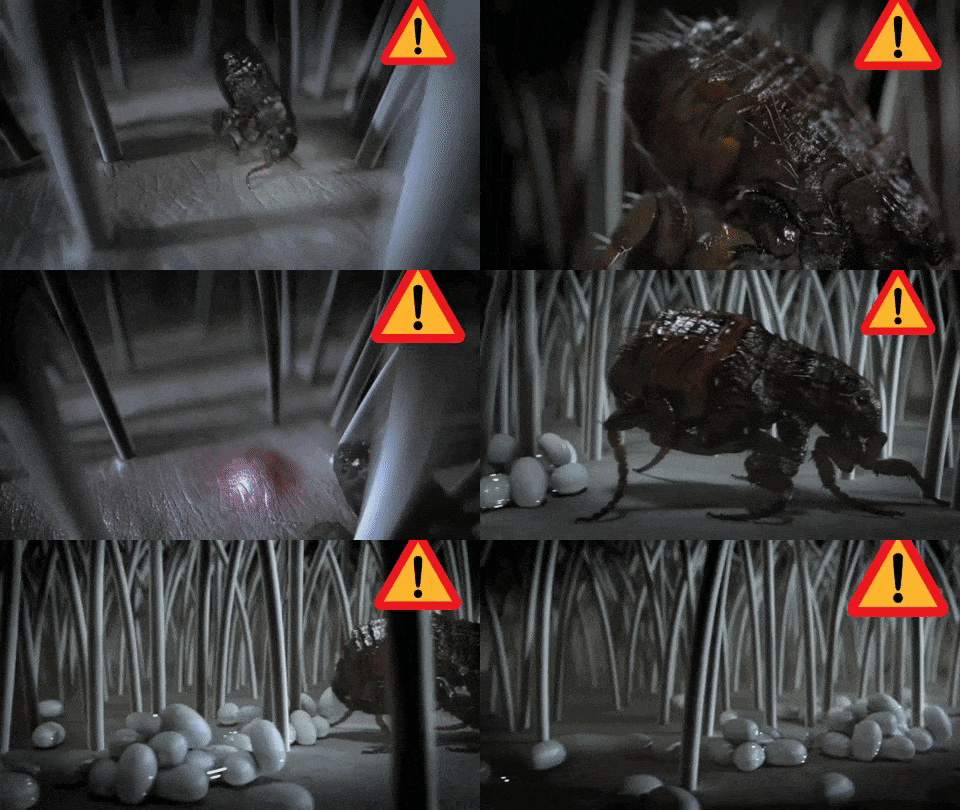
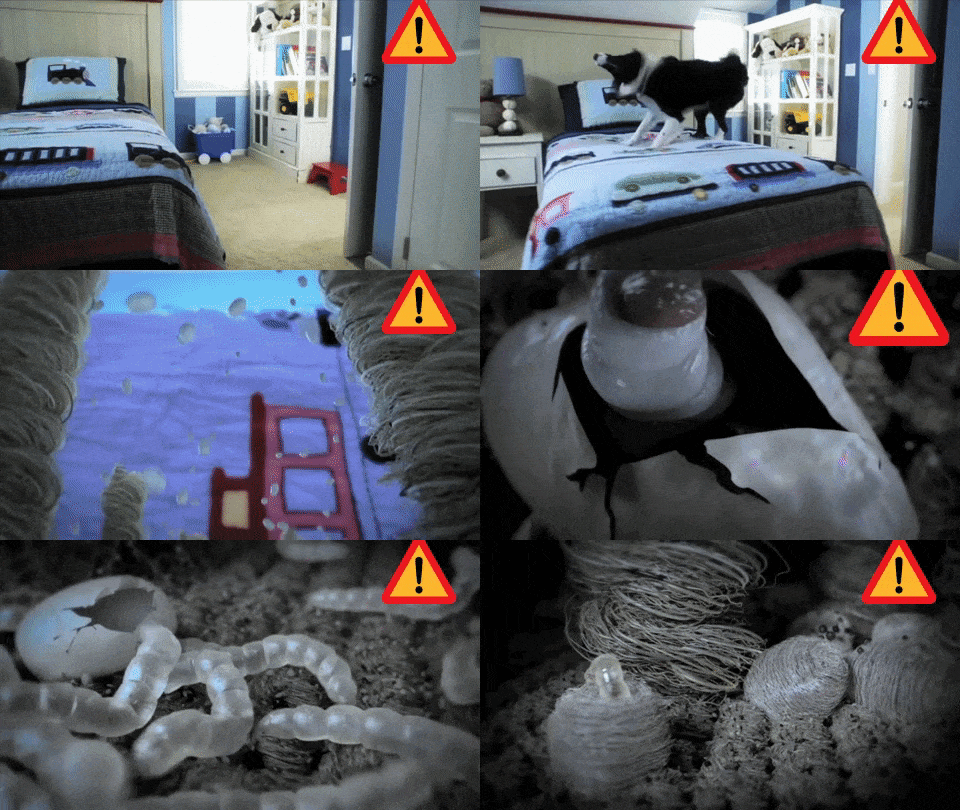


SAVE your Pet's from Fleas & Ticks Naturally! No More Parasites!
*If you are not satisfied with your product, contact us and we will refund you**NOT SOLD IN STORES*
UPDATE: Due to the huge increase in social media attention in our various platforms, we're running extremely low on these,
so hurry and Buy Now before it's all gone.
-----
🤑 Exclusive SALE GRAB NOW ☝️
And Save a lot of money on other painful treatments!
-----
SECURE Checkout & Anytime Refund Guarantee by PayPal!
Best Customer Support! We will take care of your order! And deliver the product on time! FAST SHIPPING!
people are currently looking at this product
 Karelle Conroy
It's great for the price, working and its natural! Completely Recommended! Works like a magic. No worries about rashes or allergy. No harm to our pets. Great Quality and customer support by cocopug.
 Jaunita Swift
Finally found a product that really works! All fleas are gone my dog has no allergic reaction to it unlike other brands that I tried. This is super affordable and an amazing quality! I m planning on buying few more as gifts for my friends so they can use it on their dogs! Where have this been all my life?
 Clark Tremblay
I love the collars. No more scratching or worries about fleas and ticks. My babies are happy now that they don't itch from fleas.
Thank you. Will be getting these collars from you for my 4 more dogs.


